
How to Choose Laminate Flooring to Complement Your Walls and Furniture
How to Choose Laminate Flooring to Complement Your Walls and Furniture
The colour of laminate flooring plays a major role in shaping the atmosphere of an interior. Choosing a floor that complements your walls, furniture and doors can make a space feel brighter, more spacious and more inviting. So how do you choose laminate flooring, and how can you bring these elements together?
What Should You Consider When Choosing a Laminate Flooring Colour?
Consider the colours of your walls and furniture, the tones of your doors and skirting boards, the amount of natural light, the size of the room and your decorating style. Rugs, curtains and other textiles also contribute to the overall look.
If you are unsure which colour to choose, start by looking at the undertones of the colours already in the room and how the space is lit. A Floorpan laminate floor that complements your décor can help create a spacious, comfortable and contemporary living area.
How to Choose Laminate Flooring Based on Wall Colour
When choosing flooring to complement your walls, consider whether the wall colour has warm or cool undertones. Natural light, furniture colours and decorating style matter too. The aim is to find a combination that suits the room as a whole. Harmony between the floor and walls comes from the balance of their colours; they do not need to be the same shade.
White and Light-Coloured Walls
Light oak and natural wood tones give rooms with white walls an airy, bright appearance. Dark wood flooring can lend these spaces a minimalist or industrial feel. It is also an option if you want a stronger contrast.
Beige and Cream Walls
Honey tones, natural oak and other warm wood colours can complement beige, cream and warm neutral walls. Choosing colours with similar warm undertones can give the room a cohesive look. Remember to consider the colours of your furniture and textiles as well.
Grey Walls
With grey walls, first consider whether the shade has warm or cool undertones. Grey oak and cool-toned woods can create a contemporary look, while neutral wood tones offer a softer transition. The amount of natural light entering the room will also affect how the colours appear.
Coloured Walls
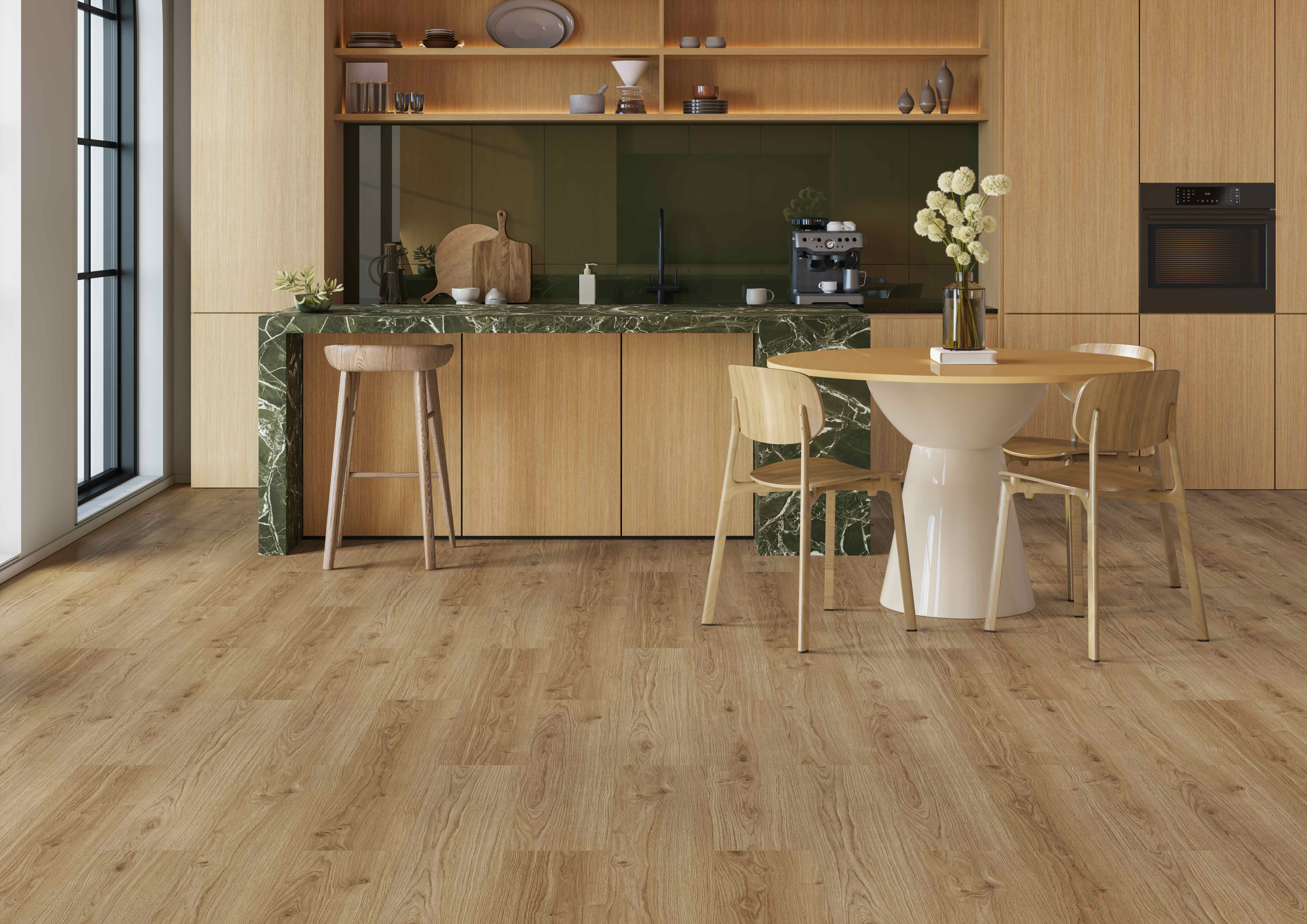
Natural and neutral wood tones can provide a simple backdrop for coloured walls, including shades of green and blue. There is no single rule for matching flooring to wall colour, however. Consider the flooring’s undertone alongside the light, furniture and overall style of the room to find a combination that works.
How to Choose Laminate Flooring Based on Furniture Colour
Furniture colour is one part of the decision. You should also consider the room’s lighting, wall colour and decorating style. You can create a cohesive look with similar tones or introduce contrast between the furniture and floor. The key is to maintain a considered balance of colour and tone.
Light-Coloured Furniture
Natural oak and light wood tones can work well with light-coloured furniture. Dark flooring creates a more pronounced contrast. For example, you could pair a white sofa and dining table with dark walnut or light grey flooring, depending on the look you want. Darker rugs, curtains or accessories can strengthen the contrast.
Dark-Coloured Furniture
Light oak and natural wood tones can balance dark furniture and help the room feel brighter. Glass and metal accessories can add a contemporary touch.
Wooden Furniture
Rather than matching wooden furniture and flooring exactly, try using different shades of the same colour for a more balanced look. For example, natural oak flooring in a different tone can sit alongside warm wood furniture in a rustic interior. Varying the wood textures also helps distinguish the floor from the furniture.
Grey and Neutral Furniture
Neutral flooring, grey oak and natural wood tones can all complement grey furniture. If you want a warmer atmosphere, consider wood with warm undertones. Your choice should also reflect the undertones of the walls, the room’s natural light and its overall style.
Should You Choose Light or Dark Laminate Flooring?
Light-coloured flooring can make a room feel brighter and more spacious. Light oak and natural wood tones reflect more light and work particularly well in minimalist, Scandinavian and contemporary interiors.
Dark flooring can bring depth, warmth and a more striking character to a room. In a large space with plenty of natural light, darker tones can make a strong visual impression.
How to Pair Wall Profiles with Laminate Flooring
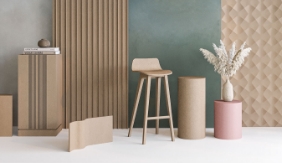
You can pair wall profiles and flooring in similar shades for a cohesive look, or choose different tones for a measured contrast. Wood-effect wall profiles and flooring with related textures can create a natural transition between surfaces.
If you want the wall profiles to stand out, choose simpler, more neutral flooring. If you want to draw attention to the floor, opt for a more understated wall finish. Kastamonu Entegre’s Wave, Cubic, Norm and Trian wall profile collections offer options for creating these combinations in a range of interior styles.
How to Choose a Laminate Flooring Colour for Your Decorating Style
Grey and dark wood tones can suit contemporary interiors, while light-coloured flooring supports the airy feel of Scandinavian and minimalist spaces. For a rustic style, consider warm wood tones; for a classic interior, medium or dark wood colours may work well. Grey, anthracite, dark or contrasting flooring can complement an industrial look.
These are guidelines rather than fixed rules. Wall and furniture colours, natural light and your personal preferences can lead you to different combinations. The table below offers a starting point:
| Wall or furniture colour | Flooring tones to consider | Possible effect |
| White walls |
Light oak, natural oak, medium tones |
Airy and balanced |
| Beige or cream walls |
Warm oak, natural wood |
Warm and cohesive |
| Grey walls | Grey oak, neutral wood |
Contemporary and balanced |
| Light-coloured furniture | Light or medium tones; dark tones for contrast | An airy look or a contrasting effect |
| Dark-coloured furniture | Light or medium tones | Balanced and bright |
| Wooden furniture |
Different shades of the same colour |
Natural and cohesive |
| Coloured walls | Natural and neutral wood tones | Allows the wall colour to stand out |
When deciding on a laminate flooring colour, look at your walls, furniture, doors, textiles and decorating style together. Explore Kastamonu Entegre’s laminate flooring options to find colours and textures suited to your living space.
Frequently Asked Questions
What should you consider when choosing a flooring colour?
Consider the colours of your walls, furniture, doors and skirting boards, along with the size of the room, its natural light and your decorating style. The colours of rugs and curtains can also affect the overall result.
How do you choose flooring to complement furniture?
Similar tones create a cohesive look, while different tones add contrast. The texture of wooden furniture and the overall colour balance of the room matter as much as whether the furniture is light or dark.
How do you choose flooring based on wall colour?
Identify whether your walls have warm, cool or neutral undertones, then consider wood tones that complement them. Oak and walnut can suit warm walls in shades such as beige, cream or terracotta. Light grey or whitewashed oak may work with cooler shades such as grey, blue or green. Both light and dark wood tones can complement neutral white or off-white walls.
What flooring goes with light-coloured furniture?
Light oak, natural wood and medium-toned flooring can create a bright, balanced look with light-coloured furniture. For a stronger contrast, consider darker flooring.
What flooring goes with dark furniture?
Light-coloured or grey flooring can make a room with dark furniture feel brighter and more balanced. Natural oak tones can also help dark furniture stand out.
What flooring goes with white walls?
Light oak and natural wood tones create an airy look with white walls. Medium tones add warmth, while dark flooring creates a striking contrast.
What flooring goes with grey walls?
Grey oak and neutral or cool-toned woods can complement grey walls. For a warmer atmosphere, consider natural wood with warm undertones.
What flooring goes with beige walls?
Natural oak, warm oak and honey tones can create a cohesive look with beige walls. Consider the furniture colours and the room’s lighting when making your choice.
Is light or dark flooring more practical?
Either can be a suitable choice. Light flooring can make a space feel brighter and more open, while dark flooring creates a bolder, warmer atmosphere.
What flooring colour works best in a small room?
Light-coloured flooring can help a small room feel more spacious. Light oak and natural wood tones are especially useful where natural light is limited.
How do you pair wall profiles with flooring?
Use similar colours for a cohesive look or different tones to create contrast. Choose simpler flooring if you want the wall profiles to stand out, or a more understated wall finish if you want to emphasise the floor.