
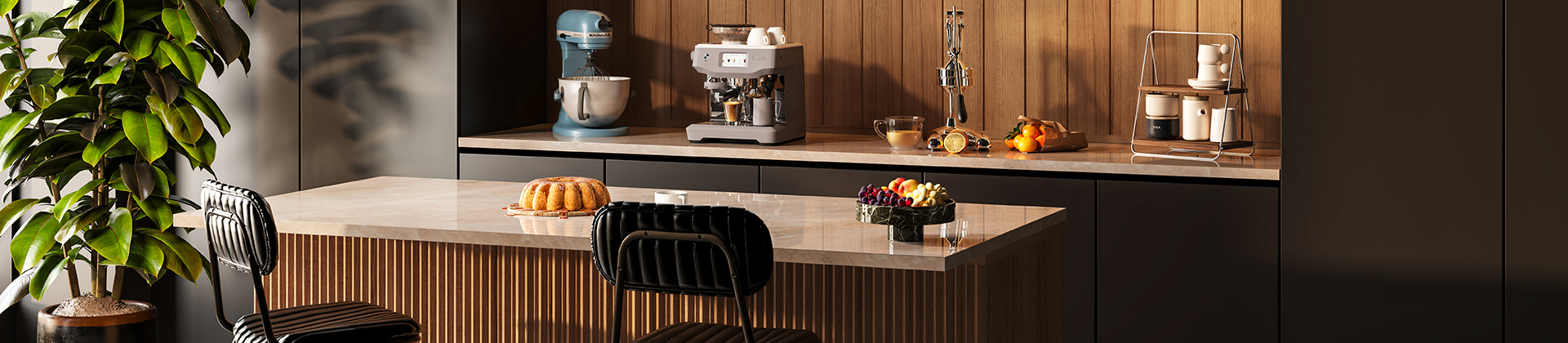
Using MDF Panels Indoors: Aesthetic Solutions
When interior design combines aesthetics, functionality, and durability, this results in living spaces that are both visually appealing and long-lasting. If you want to create a modern and warm atmosphere in your living or working spaces, decorative MDF panels can meet your expectations.
What Is MDF?
MDF (Medium Density Fiberboard) refers to a medium-density fiberboard produced by combining wood fibers with adhesive and compressing them under high pressure and temperature.
Thanks to this manufacturing technique, MDF has a homogeneous composition. This means it is free of the knots, cracks, or grain variations commonly found in natural wood. The result is a smoother surface that is more suitable for processing.
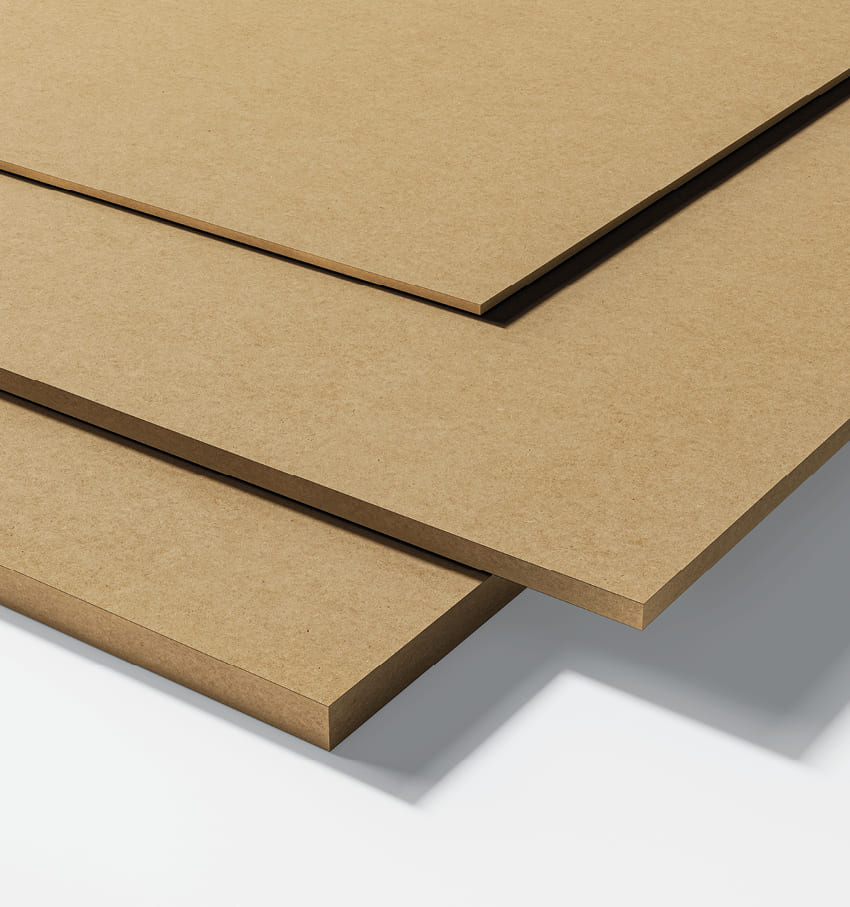
What Is a MDF Panel?
MDF panels are manufactured in various thicknesses, dimensions, and surface finishes. They can be improved with lacquer paint, melamine coating, PVC foil, or natural wood veneer. This allows you to achieve both natural and modern appearances.
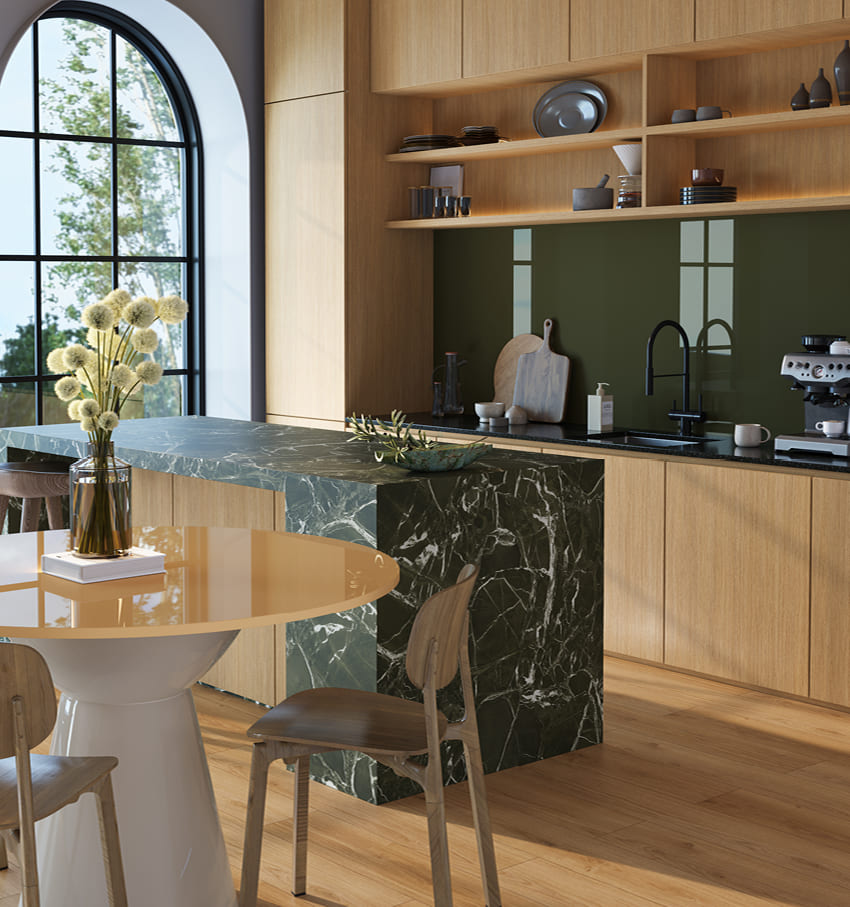
Why Is MDF Preferred?
With their easy-to-work builds, decorative varieties, and cost advantages, MDF panels offer aesthetic solutions across a wide range of applications ranging from residential spaces to offices, hotels, and retail stores.
Providing the look of wood in an accessible and practical way, MDF panels have an extensive range of uses, from wall cladding to ceiling designs, decorative partitions to custom-designed furniture. Thanks to various decor and surface finish options, they adapt to every interior style. Using MDF panel versions, you can easily bring your design ideas to life.
What Are the Benefits of Using MDF Panels?
The key characteristics of decorative MDF panel types are as follows:
- One of the key benefits of MDF is its smooth surface enabled by its homogeneous build. This allows for highly successful results in painting, coating, or pattern applications.
- MDF is highly suitable for cutting, carving, milling, and forming processes, making it easy to produce slatted, patterned, or three-dimensional surface designs. Instead of ordinary walls, you can create modern and stylish surfaces that enhance your interior décor style.
- MDF panels are long-lasting when used properly. The risk of bending and cracking is lower compared to natural wood. In addition, they maintain their form for extended periods in indoor environments with a balanced level of humidity.
- While MDF panels are not insulation materials on their own, they greatly contribute to thermal and acoustic insulation by adding an extra layer to wall surfaces. This provides comfort especially in spaces such as offices, meeting rooms, or bedrooms.
- They offer a wide range of design possibilities from wood patterns to matte and glossy solid colors, and from natural tones to bold shades. This allows you to produce solutions that blend well with the overall concept of the space.
- Moisture-Resistant (MR) MDF boards provide resistance against humidity, eliminating issues such as swelling or deformation. Fire Retardant MDF panels offer resistance to fire, ensuring a safer user experience.
- Intended Uses of MDF in Modern Interiors
- If you aim to achieve a cohesive design, you can fully make use of the flexibility offered by MDF panels. The intended uses of MDF panels can be listed as follows:
- MDF panels are widely preferred for wall cladding. They are used on surfaces where visual emphasis is desired, such as behind TV units, headboard walls, living room feature walls, and office entryways.
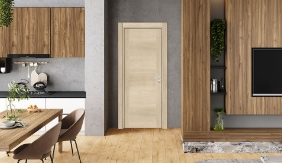
- MDF can also be used as a door panel.
- In modern interiors, ceilings are no longer limited to plain white surfaces. MDF panels enable the use of suspended ceilings, beam-like designs, and decorative ceiling coverings.
- You may want to separate a living room from a dining area or create divisions within an office without completely enclosing the space. In such cases, decorative partitions made from MDF come into play. Laser-cut patterned or slatted panels create a visual boundary while still allowing light to pass through.
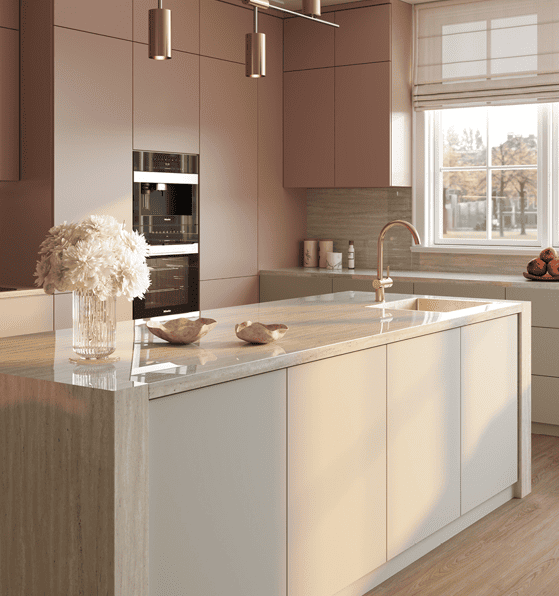
- You can get a cohesive and unified look by designing cabinet doors, shelving systems, or TV units in the same color and texture as MDF decorative panels.
- In commercial spaces such as retail stores, cafés, restaurants, or hotels, MDF panels serve as a powerful design element that reflects brand identity. Panels with custom patterns or colors aligned with the brand add a distinctive atmosphere to the space.
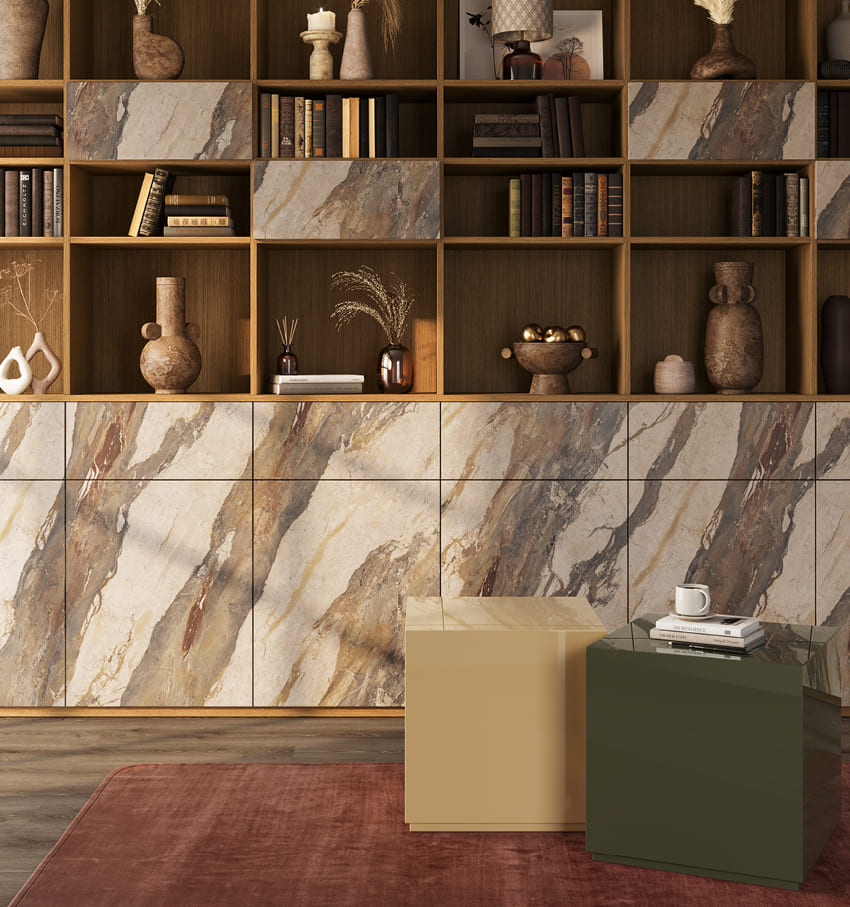
Interior Design Trends Enabled by MDF
Today, many prominent interior design trends are brought to life through MDF applications. For example:
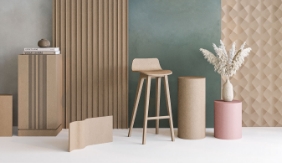
- Vertically slatted MDF panels are one of the most popular applications in recent years. This design adds both movement and depth to walls.
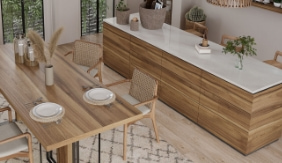
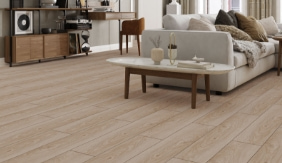
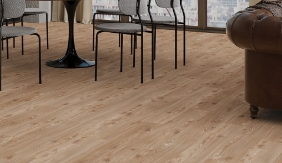
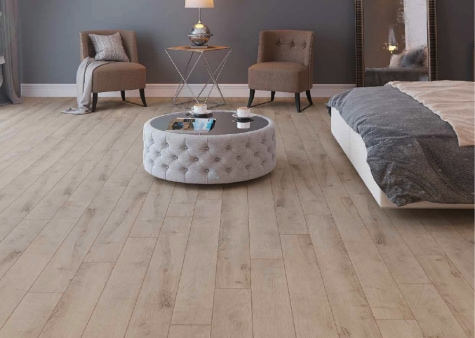
- The trend toward naturalness continues to influence interiors. Decorative MDF panels with wood textures bring the warmth of nature indoors. Light oak, walnut, or natural pine shades help create more intimate and calming environments. Kastamonu Entegre’s decorative panels are tailored to this trend.
- Matte and glossy surfaces are key elements in modern design. MDF panels in shades, such as anthracite, dark walnut, black, or smoke gray, create a strong style in industrial and contemporary spaces.
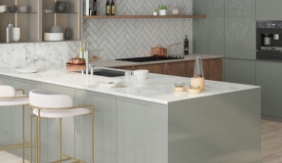
- Moisture-resistant MDF panels such as Medepan MR stand out with their durability against humidity and offer both aesthetic and functional solutions in moisture-prone areas like kitchens and bathrooms, especially when coupled with decorative surface options.
- Geometric patterns, three-dimensional embossing, or walls created with panels of varying thickness transform surfaces into works of art.
- Fire-retardant Medepan FR products, suitable for melamine surfacing, can be used for interior decoration in spaces, such as libraries, hotels, and schools.
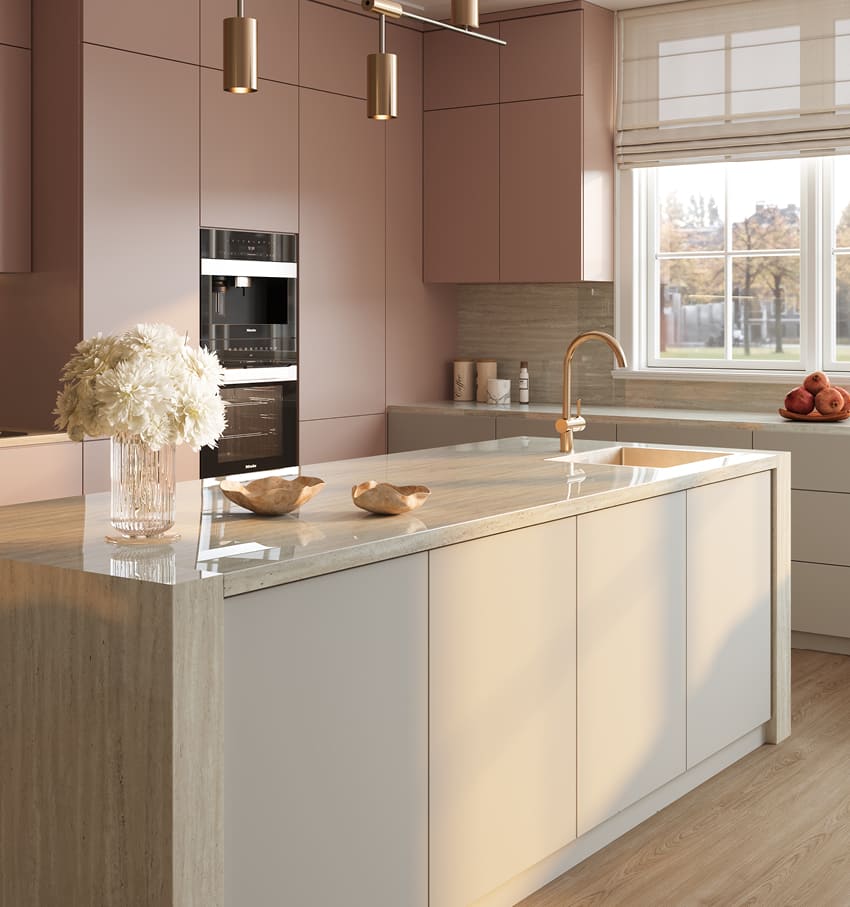
You can also explore Kastamonu Entegre products to elevate your projects with high-quality, durable MDF solutions that offer a wide range of decorative options.